
Our Story
Healing is not about becoming someone new, it’s often about learning how to work with the way your mind, body, and nervous system already function. For many people, especially those who are neurodivergent or navigating layered stressors, traditional approaches to mental health can feel rigid, shaming, or disconnected from lived experience.
At Neurodivergent & Co. Counseling, I provide outpatient psychotherapy grounded in trauma-informed and neurodivergent-affirming care. I work with adults, couples, and families navigating anxiety, depression, trauma, grief, identity questions, and life transitions.
While neurodivergent care is a core focus of my work, therapy here is not limited to any one diagnosis or label.
My approach is collaborative, paced, and practical. We work together to build understanding of your patterns, your nervous system, and the experiences that shaped you, while developing tools that support daily life, relationships, and long-term healing. There is no expectation to move faster than feels safe, and no pressure to fit into a particular framework.
What this space is like…
This is a space that is paced, collaborative, and grounded in respect for individual differences. Therapy here is not about fixing who you are, but about understanding how your nervous system, experiences, and environment interact and how to work with that, rather than against it.
Many people come to therapy feeling stuck, overwhelmed, or unsure why certain things feel harder than they “should.” Often, that struggle makes sense when we look beyond the individual and name the larger systems at play. Cultural expectations around productivity, gender, relationships, work, health, and identity can quietly shape how safe, capable, or supported we feel, especially for neurodivergent and LGBTQ+ individuals.
In this space, there is room to talk about identity, including neurodivergence, LGBTQ+ experiences, disability, chronic stress, chronic illness, and the ways macro systems impact daily life. These conversations are approached with curiosity and care, without assumptions or pressure to explain or defend your experience.
Therapy here centers self-trust, agency, and understanding. Together, we work to reduce shame, build clarity, and find ways of living that feel more aligned, even within systems that don’t always accommodate difference.
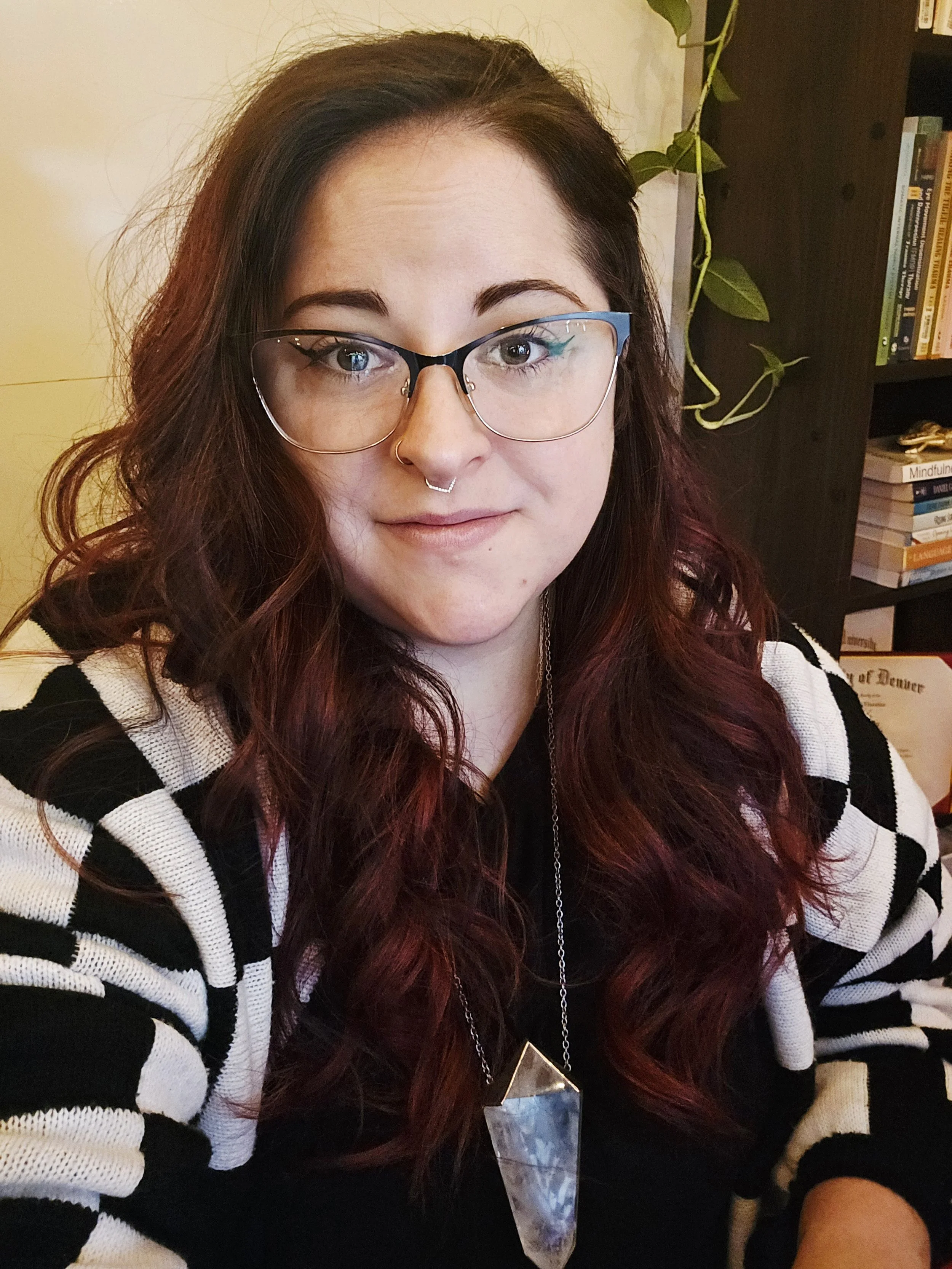
About
I’m Danielle Oetjen, a Licensed Professional Counselor in Colorado and the owner of Neurodivergent & Co. Counseling, LLC. I work with adults and support a range of concerns, including general mental health, depression, anxiety, grief and loss, burnout, and life transitions. A significant part of my work is with neurodivergent adults, including but not limited to ADHD and autism. I also work with people who want space to talk about substance use, recovery, or long-standing patterns related to addiction as part of their overall mental health.
I’ve worked in mental health and addiction treatment for over ten years in settings that include residential treatment, PHP, intensive outpatient programs, outpatient care, and correctional environments. That experience shapes how I approach therapy, particularly when clients have complex histories, have been in treatment before, or are feeling worn down by systems that haven’t worked well for them.
In sessions, I tend to be active and engaged. I will challenge patterns when it feels appropriate, but I’m mindful of pacing and capacity. Therapy with me is collaborative, grounded, and focused on working in ways that make sense for how you think, feel, and process.
Send me an E-mail | Get in Touch

Crisis Support Notice
This form is not monitored for urgent concerns and is not appropriate for crisis situations. If you are experiencing a mental health crisis or need immediate support, please call 911 or contact Colorado Crisis Services, available 24 hours a day, 7 days a week.
Call 1-844-493-8255 or text TALK to 38255.
Frequently Asked Questions
Still have questions? Take a look at the FAQ or reach out anytime.
-
The term neurodivergent is used here as an umbrella term to describe differences in neurotype or how brains are wired to process, regulate, and interact with the world. This can include, but is not limited to, ADHD, autism, learning differences, and related presentations.
Neurodivergence is not a diagnosis and is not a term used in the DSM. It is a framework for understanding neurological difference rather than pathology or deficit. The term is used to support shared language, reduce stigma, and shift focus away from “what’s wrong” and toward how different brains function within different systems and environments.
-
I chose the name Neurodivergent & Co. to reflect both the complexity and the overlap that often come with neurodivergence. Many neurodivergent people are also navigating additional experiences such as chronic pain, trauma, sensory differences, or other co-occurring mental health concerns. The “& Co.” acknowledges that neurodivergence rarely exists in isolation.
The name also reflects my hope to build a sense of community and shared understanding, not only for neurodivergent folks, but for people navigating layered identities, stressors, and experiences. While therapy here is individualized, the practice is grounded in inclusivity, connection, and care that recognizes the whole person rather than a single label.
-
The easiest way to get started is by clicking the Contact button at the top of the page and completing the brief consultation request through SimplePractice. This allows us to connect, answer questions, and discuss next steps.
-
Telehealth sessions take place through a secure, HIPAA-compliant platform and function much like in-person sessions. Sessions are scheduled in advance, and you’ll join from a private, comfortable space using a computer, tablet, or phone with a stable internet connection.
Many clients find telehealth offers more flexibility and ease, especially when managing schedules, energy levels, or sensory needs. I recommend choosing a quiet, confidential space where you feel comfortable speaking openly, and we can adjust pacing and structure as needed to support your comfort and focus.
-
A superbill is a detailed receipt for therapy services that includes the information an insurance company may require for out-of-network reimbursement. If you have out-of-network benefits, you can submit a superbill to your insurance provider to see whether a portion of your session fees may be reimbursed.
Reimbursement is determined by your individual insurance plan, not by the therapist. I’m happy to provide a superbill upon request, and I encourage clients to contact their insurance provider directly to ask about out-of-network mental health benefits and reimbursement options.
-
I can’t speak for all therapists. In my own practice, insurance-based care can come with structural limitations, such as requirements around documentation, session structure, and how treatment goals are defined. Working partially outside of insurance allows for more flexibility in pacing and in tailoring care to individual needs. Regardless of payment model, the focus remains on providing ethical, thoughtful support.
-
Of course! I work with people across a wide range of experiences, identities, and backgrounds. While this practice uses a neurodivergent-affirming framework, that approach is about honoring individual differences, not about deciding who “belongs” or who fits a certain label.
Many people find it helpful to work in a space that is paced, collaborative, trauma-informed, and attentive to how stress, emotions, and nervous system patterns show up in daily life, whether or not they identify as neurodivergent. You don’t need a specific label or diagnosis to be here. Therapy is centered on you, your goals, and what support looks like for your individual needs.